
Welcome to the Water Report Blog
While The Water Report publication provides in-depth analysis, we also offer curated summaries of the hot topics, emerging trends, and opportunities you need to know about empowering you to tackle today's complex water issues with the most up-to-date information.
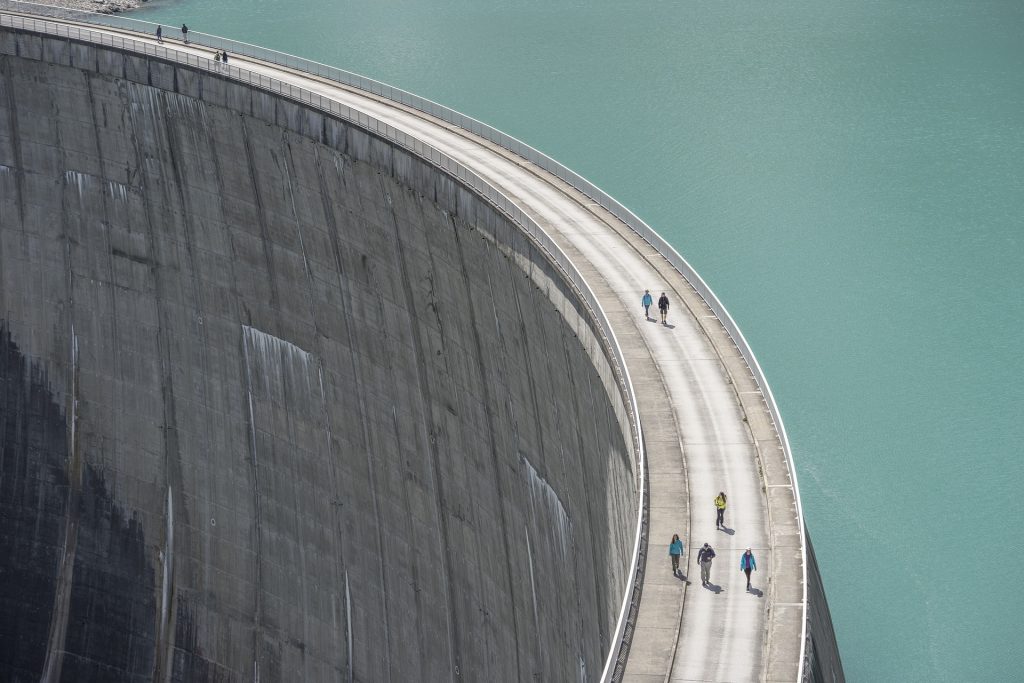
Flexible Conservation Pools for the Colorado River
A new paper outlines how flexible conservation pools could help protect the Colorado River’s two largest reservoirs during increasingly severe drought years. Lake Powell and Lake Mead are approaching historically low water levels under current management guidelines. The Bureau of Reclamation’s April 2026 projections showed Lake Powell could fall below 3,500 feet this year,…
Tracking Data Center Water Use in the Drought-Prone West
A recent study highlights the growing difficulty of tracking data center water use. Much of this operational information remains unavailable to the public. This lack of data creates significant planning challenges for communities located in water-scarce regions. Facilities utilize massive amounts of water to cool computer servers. The current data gap includes both direct…
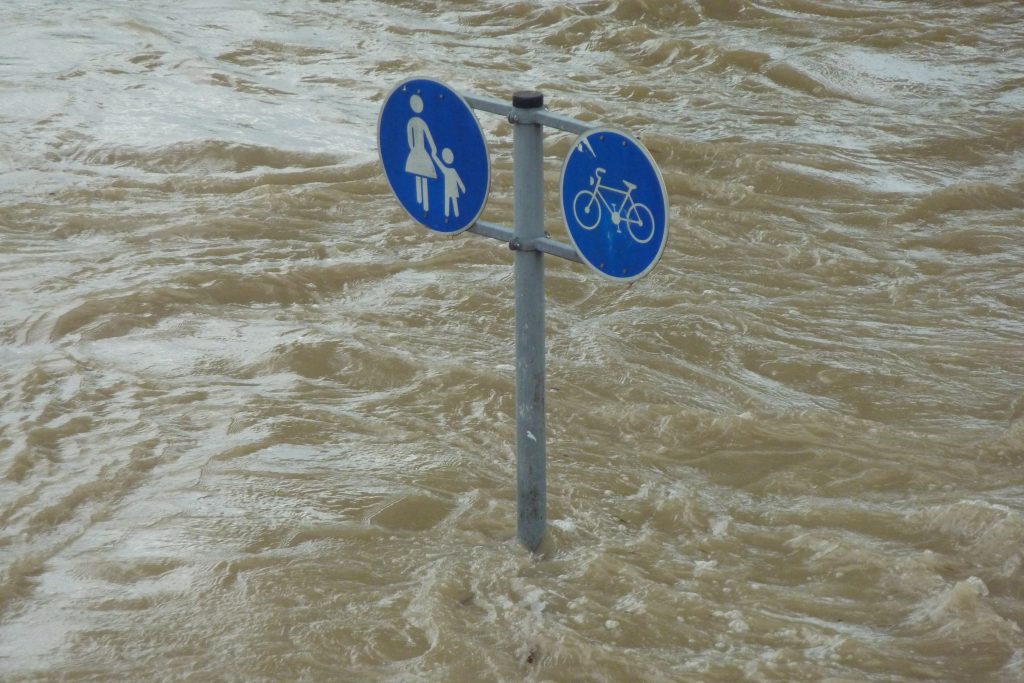
The Growing Flood Coverage Gap in California
A new report from the Neptune Flood Research Group, California Underwater: A Blind Spot in the Golden State, reveals that California carries one of the largest residential flood insurance gaps of any state in the nation, leaving millions of homeowners financially exposed to a threat they may not even know they face. Residential flood…
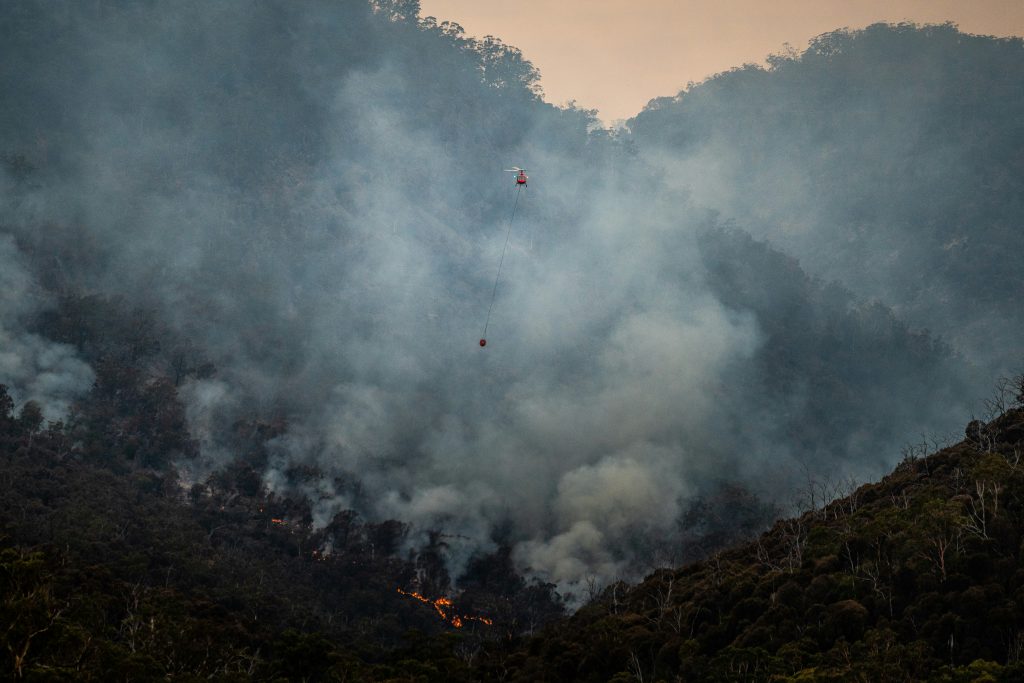
Advanced Wildfire Prediction Model
For anyone who has been forced to evacuate during a wildfire, the experience of not knowing how fast the fire is moving or which direction it will take is terrifying. That unpredictability is exactly what a team of researchers at USC Viterbi’s Department of Aerospace and Mechanical Engineering is working to eliminate. The new model,…
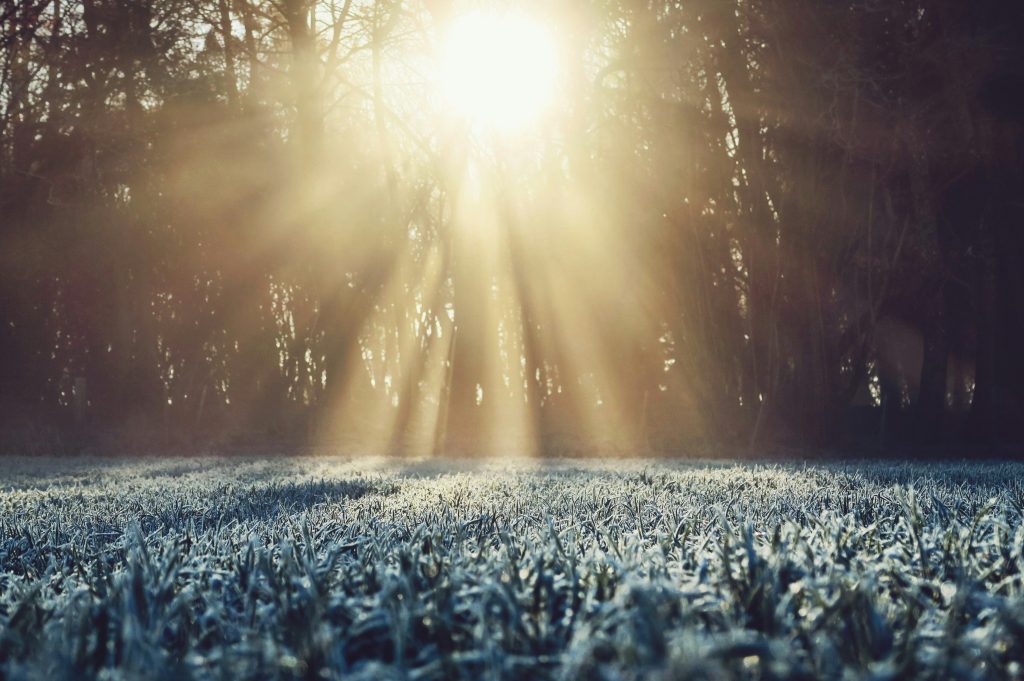
Summer Is Getting Longer — and the Pace Is Accelerating
A new study from researchers at the University of British Columbia, delivers some of the clearest evidence yet that the rhythm of the seasons is fundamentally changing – and faster than scientists previously measured. The study analyzed global temperature data from 1961 through 2023, tracking not the calendar definition of summer, but the actual…
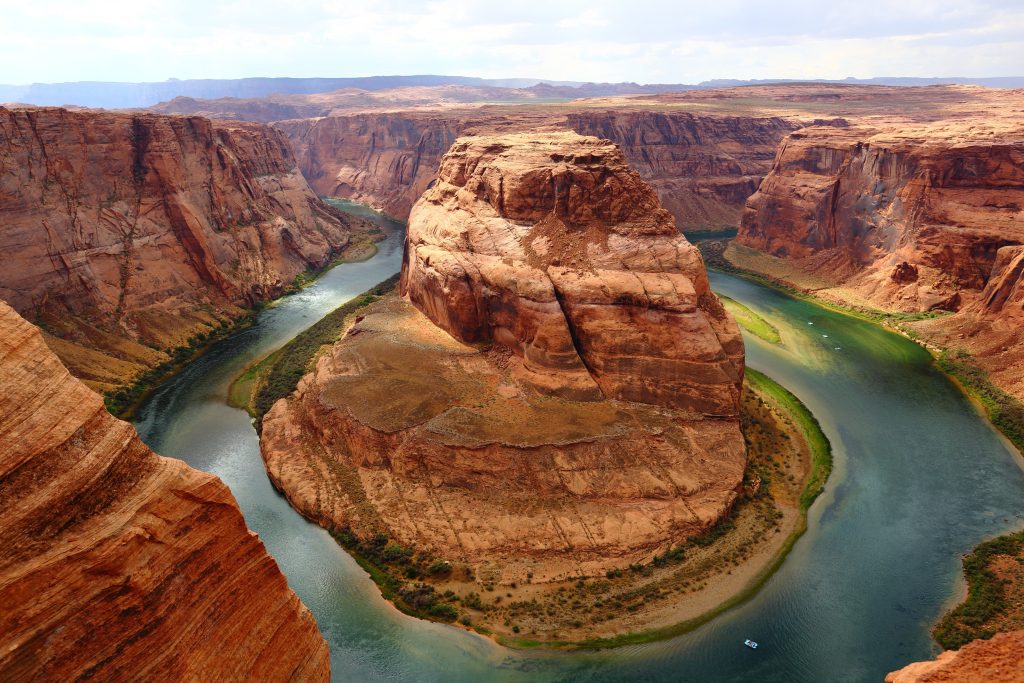
Rethinking How the US and Mexico Divide the Colorado River
A new report from a team of water law scholars, engineers, and policy experts argues that the 80-year-old framework governing how the United States delivers Colorado River water to Mexico is no longer fit for purpose – and that a fundamental redesign is both possible and urgent. Since 1945, the US has been obligated…
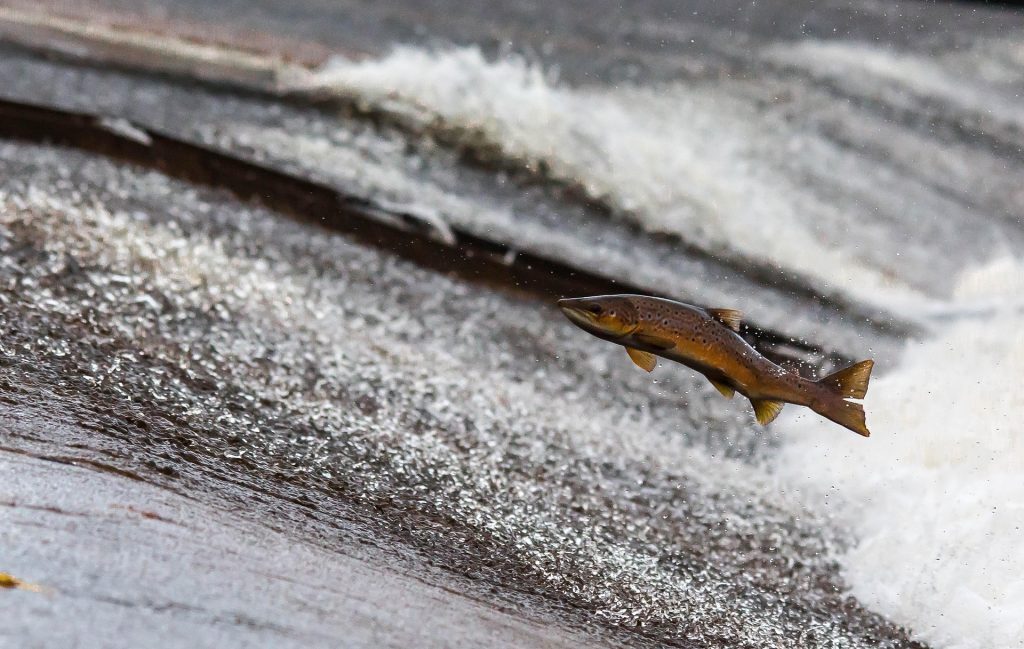
$99 Million Available for Pacific Salmon Recovery
Applications Due June 29. NOAA Fisheries has opened applications for up to $99 million through the Pacific Coastal Salmon Recovery Fund, directing federal investment toward conservation and habitat restoration projects across the West Coast and Alaska. Eligible applicants include state agencies in Alaska, California, Idaho, Nevada, Oregon, and Washington, as well as federally…

Integrating Artificial Intelligence into Water Operations
The Water-AI Nexus™ Center of Excellence has released two resources designed to move artificial intelligence from pilot projects to everyday operations in water and wastewater systems. Their new insight report, “Principles for AI and the Future of Work in Water: Building an AI-Empowered Water Workforce,” lays out four principles centered on a worker-first approach…
Regulating Data Center Water Use in California
A new policy report by UC Berkely Law entitled “Regulating Data Center Water Use in California” addresses the environmental impact of the AI-driven data center boom on the state’s water resources. The report identifies a critical lack of transparency and a fragmented regulatory framework, offering a roadmap for how the state and industry should manage this…