

According to a recent comprehensive study by UC Riverside and the Utah Rivers Council, the most cost-effective way to conserve the dwindling waters of the Colorado River is by changing how farms use water. Agriculture consumes about 80% of water in the Colorado River basin and this research indicates that agricultural water conservation offers the…

A recent study reveals that when a specialized AI is combined with the National Water Model (a dataset produced by NOAA), the hybrid system becomes four to six times more accurate in forecasting streamflow. The tool significantly boosts AI flood prediction accuracy, offering more reliable forecasts of where floods will occur. The AI is…

The Pacific Institute has a new report offering over 130 strategies to help rural communities build water resilience. Persistent challenges such as aging infrastructure, limited funding, and capacity issues are increasingly common and climate change impacts further intensify these hurdles. This report provides a playbook for rural water resilience, offering tangible solutions to bolster systems…

The rising development of data centers – being used to power AI tools and cloud services – are increasing energy and water demands across the Western US. If current trends continue, new data centers in states such as Arizona, Colorado, Nevada, New Mexico and Utah could collectively use billions of gallons of water annually.…

A new “Playbook” offers a practical, step-by-step framework for publicly owned water, wastewater, and energy utilities to attract, develop, and retain a new generation of trained workers. Topics covered in the Playbook include recruitment; compliance; environment, health and safety; training and development; and, employee and labor relations. This guide equips HR professionals and leaders…

The US Environmental Protection Agency (EPA) recently announced $9 million in grant funding to help protect drinking water systems from cybersecurity threats and natural disasters. Authorized by Congress through the Safe Drinking Water Act (SDWA), this grant program is now open for applications from public water systems serving 10,000 people or more. The EPA has…

PFAS contamination poses a nationwide crisis. A new report confirms these toxic “forever chemicals” now affect 98% of tested US waters. Researchers found elevated levels at 95% of sampled sites downstream from wastewater treatment plants (WWTPs). Similarly, 80% of sites downstream from biosolids land application sites showed increased PFAS levels. The report expanded on previous…
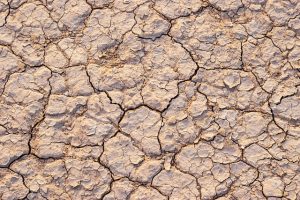
The southwestern United States is having its worst megadrought in 1,200 years. New research suggests that this drought could persist for decades, as ongoing warming disrupts the region’s vital rain cycles. Models suggest continued global temperature rises could keep the Southwest in a dry regime through at least 2100. The Pacific Decadal Oscillation (PDO)…
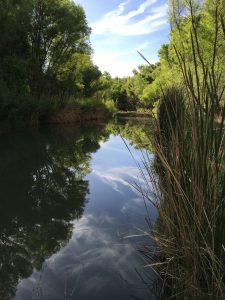
The Bureau of Reclamation (Reclamation) is beginning an environmental impact statement (EIS) for the Verde River Sediment Mitigation Project in northern Arizona. This comprehensive study will examine options for restoring lost storage capacity due to sedimentation. The goals of this EIS include restoring the lost capacity of Horseshoe Reservoir and mitigating future sedimentation throughout…
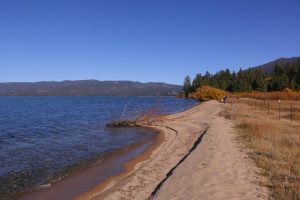
The annual Tahoe: State of the Lake Report (Report)provides updates on the ecological health of the lake, discussing past and ongoing environmental challenges. UC Davis has conducted continuous monitoring of the lake since 1968. This accumulated data provides invaluable insights for this iconic, but vulnerable lake. The latest 2024 Report indicates that Lake Tahoe…
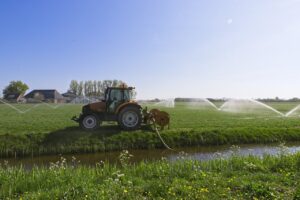
Utah’s agricultural program to reduce water use through improved efficiency is showing some encouraging results. Nearly 700 projects have secured funding under the Utah Department of Agriculture and Food’s Agricultural Water Optimization Program. To date, 250 projects have been completed resulting in annual savings of over 40,891 acre-feet of water! This volume of water could…
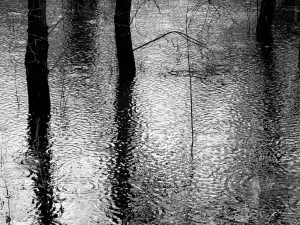
Severe weather events, particularly heavy rainfall, are becoming increasingly common. Having reliable assessments of location and timing for such occurrences is crucial for saving lives and property. Researchers have developed a new AI method that converts low-resolution global weather data into high-resolution precipitation maps. Researchers utilize historical weather model data, which describe global precipitation…
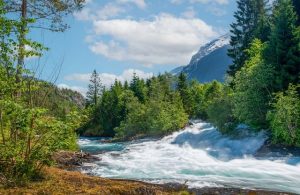
The Kootenai River originates from glaciers in Canada and its watershed spans over 19,000 square miles across British Columbia, Montana, and Idaho. The river crosses the US-Canada border twice. Residents on both sides of the border share its waters and its pollution. Researchers have recently launched a $4.9 million transboundary study aimed at promoting…
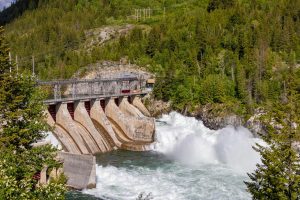
Aging dams and other river barrier infrastructure pose an increasing risk to communities. New research explains that dam removal can significantly enhance safety and resilience against extreme weather. The research paper, “Barrier Removal is a Strategy for Climate Resilience,” from Utah State University highlights how removing outdated or unsafe dams and barriers can improve…
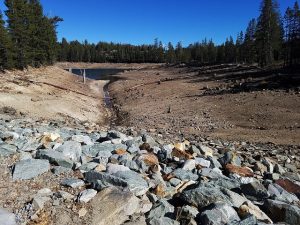
Droughts are having increasingly significant economic impacts. A new report shows that without effective adaptation, the costs associated with climatic events could surge by at least 35% by 2035. The global land area affected by drought has doubled since 1900. In recent decades, nearly 40% of the planet experienced increased frequency and intensity of…
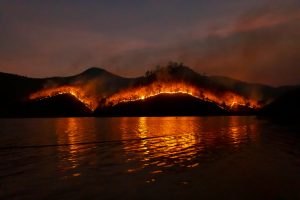
Wildfires devastate forests and watersheds leaving behind contaminants that continue to pollute rivers and streams longer than previously estimated. A new study offers the first large-scale assessment of post-wildfire water quality. It analyzed water quality in over 500 watersheds, aiming to identify trends in post-wildfire water quality across the entire US West. Fire ash…
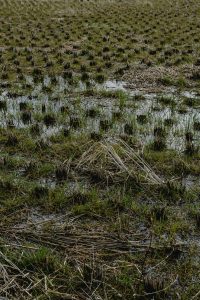
Storms coming from atmospheric rivers bring vital moisture to the US West Coast. However, they also cause most of the region’s floods. Storm size alone does not always predict flood risk, ground conditions also play a critical role. New research explores the drivers of floods, by analyzing decades of atmospheric river storms. It examined…

Columbia River tribes have long recognized the importance and drastic decline of the Pacific lamprey. Years ago, they began raising alarms, initiating action, and collecting data. This groundwork led to the development of the first Pacific Lamprey Restoration Plan in 2011. After years of dedicated work, a new, more in-depth plan has arrived. This…
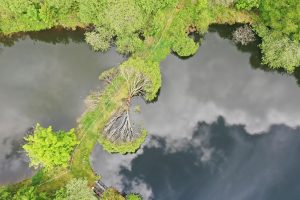
Complex environmental challenges demand integrated solutions. Multi-benefit projects, such as realigning levees to reconnect floodplains, can be powerful tools to help us address water challenges. They tackle climate adaptation, water management, and ecosystem restoration all at once. However, securing funding for these comprehensive initiatives often proves difficult. Traditional funding sources typically support single-purpose projects. …
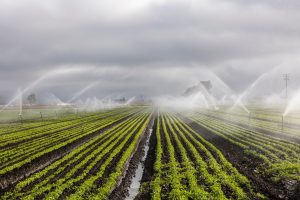
Irrigation (at some level) is essential for much of the US’s agricultural production. In the Great Plains region irrigation is used to supply water during dry periods, encourage crop growth, and maximize yields. A new study looks at how irrigation may affect summer heat stress (a combination of temperature and humidity) and public health impacts.…
Increasing water scarcity has resulted in more agricultural fields being left unplanted in California. The fallowed farmlands are now the state’s top source of human-caused dust. New research shows they account for 88% of anthropogenic dust events, especially in the Central Valley. Dust storms from these areas threaten public health, road safety, and long-term water…

A new algae system could revolutionize farming practices in Arizona, helping farmers achieve better crop yields with significantly less water. This approach – developed through a collaboration between Arizona State University and Phoenix-based soil health company MyLand – offers a vital solution for regions facing water scarcity. The aim is to create “more crop per…
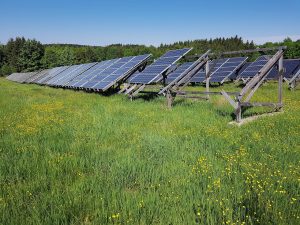
New research from Colorado State University and Cornell University shows that solar arrays can actively reduce drought stress in Colorado’s grasslands. By casting partial shade, the panels boost moisture levels and drive plant growth, especially in dry years. The study strengthens the case for using solar arrays to stabilize ecosystems while producing renewable energy. …

Smart water metering has grown to a $6.8 billion global market, solidifying its position as a key driver of digital transformation for utilities. According to a new report, utilities are embracing advanced metering technologies to boost operational efficiency, recover revenue, and engage more actively with customers. Metering systems – including advanced meter reading (AMR)…
Nevada has launched a voluntary water rights buyback program to address the long-standing issue of groundwater over-pumping. Approved in June, the initiative allows the state to purchase and permanently retire groundwater rights in over-allocated basins. It’s a major step toward restoring balance in areas where groundwater use is exceeding sustainable levels. However, the program still…