

Arizona has made a significant stride in addressing its water challenges with the approval of new Advanced Water Purification (AWP) rules. The approval by the Governor’s Regulatory Review Council (GRRC) enables Arizona cities and water providers to implement Advanced Water Purification projects. By facilitating water reuse, Arizona is taking a proactive approach to ensure a…

The recent US Supreme Court decision in City and County of San Francisco v. EPA marks a transformative moment for Clean Water Act Permits. Issued on March 4, 2025, the ruling addresses the controversial “end-result” provisions in National Pollutant Discharge Elimination System (NPDES) permits. This decision redefines the responsibilities of the Environmental Protection Agency (EPA)…

Dwindling reservoirs, prolonged droughts, and increasing demand create a concerning outlook for US water resources. However, a promising area of materials science research may offer a new approach to sourcing this essential resource: pulling water directly from the atmosphere through atmospheric water harvesting (AWH). Researchers have developed highly porous materials called metal-organic frameworks (MOFs)…

We often picture beaches changing with the seasons: harsh winter storms eroding sand, leaving beaches narrow, while gentler summer waves replenish the sand, widening them again. This “winter-narrow/summer recovery” model is so ingrained it’s even in textbooks. But new research is challenging this long-held view, particularly for beaches in Southern California. This research focuses on…

Addressing the impacts of stormwater pollution from agricultural runoff and industrial processes is an ongoing challenge. This pollution fuels detrimental effects such as algae blooms and the depletion of vital minerals like phosphate, copper, and zinc. Current solutions for pollutant removal often prove costly and offer limited reusability, highlighting the urgent need for sustainable and…

A recent study by researchers at the University at Buffalo has identified a bacterial strain capable of breaking down certain “forever chemicals” (per- and polyfluoroalkyl substances or PFAS). PFAS are a group of man-made chemicals known for their persistence in the environment due to the strong carbon-fluorine bond. These chemicals are widely used in…

Cloud seeding, a weather modification technique that has been in use for over eight decades, is gaining renewed attention as a possible method for increasing precipitation to address rising water demand and intensifying drought conditions across the United States. By introducing tiny particles, typically silver iodide, into clouds, this technique aims to encourage rain or…

The US Geological Survey (USGS) has released the National Water Availability Assessment, a groundbreaking study offering an overview of the balance between water supply and demand across the lower 48 states. The report highlights that nearly 30 million people reside in areas where surface water supplies are insufficient for their needs, revealing significant water limitations…

A recent study has provided groundbreaking insights into the movement of groundwater, revealing that underground water can travel vast distances and remain hidden for much longer periods than previously understood. Researchers from Princeton University and the University of Arizona have conducted a high-resolution simulation that traces the journey of rainwater or snowmelt as it seeps…

A landmark bill aimed at securing water rights for the Navajo, Hopi, and San Juan Southern Paiute Tribes in northeastern Arizona failed to pass Congress before the end of the year. The Northeastern Arizona Indian Water Rights Settlement Act, a decades-long effort, faced opposition from other Colorado River Basin states, despite widespread support from tribal…
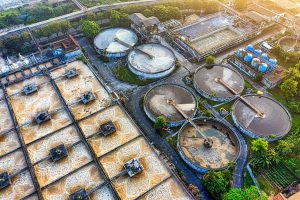
The City of Tucson, located in southern Arizona, is taking a significant step towards water sustainability by moving forward with plans to build its first advanced wastewater treatment facility. This ambitious project aims to reduce reliance on the Colorado River by converting wastewater into drinking water through advanced purification methods. Tucson City Council has approved…

The US Fish and Wildlife Service is proposing to designate critical habitat for four populations of foothill yellow-legged frog in California. The foothill yellow-legged frog is a threatened amphibian that has declined due to habitat loss and degradation. The proposed critical habitat would include land along streams and other water bodies inhabited by the frog,…
The City of Antioch is nearing the completion of a nearly $100 million brackish water desalination plant, expected to begin operations in the first quarter of 2025. This project aims to enhance the City’s water supply reliability by treating brackish water sourced from the Sacramento-San Joaquin River Delta, addressing the challenges posed by increasing salinity…

The Tijuana River Valley has faced ongoing challenges due to pollution stemming from untreated wastewater and significant debris flows originating in Mexico. Recent developments indicate a multi-pronged approach to address this issue. Wastewater Treatment Plant Upgrades: Senator Padilla and the San Diego Congressional delegation secured a significant allocation of $250 million for the International…
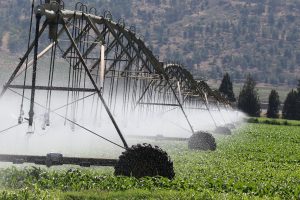
Utah has initiated a Demand Management Pilot Program aimed at conserving water within the Colorado River Basin. This program incentivizes farmers to temporarily cease irrigation in designated fields, a practice known as fallowing. Participating farmers receive financial compensation while maintaining their existing water rights. The program’s core feature is a focus on meticulously tracking…

The Department of the Interior announced on Jan. 7, a $41 million investment in 21 water resource projects across the United States. This funding, allocated through the Bipartisan Infrastructure Law, will support initiatives aimed at improving water resource management, enhancing ecosystem health, and building community resilience to climate change impacts. Projects receiving funding will…
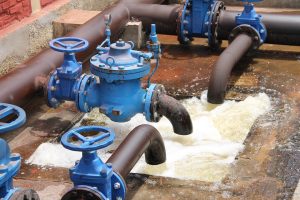
The passage and approval of the Water Resources Development Act (WRDA) by the House of Representatives’ and Senate in December 2024, signified a meaningful development in the nation’s water infrastructure landscape. This bipartisan legislation was signed into law by President Biden on January 4, 2025 and offers a multifaceted approach to improving water resources management.…
The US Environmental Protection Agency (EPA) has finalized a new rule aimed at modernizing and streamlining the process for state and tribal involvement in Clean Water Act (CWA) implementation. This long-awaited update focuses on Section 404 of the CWA, which regulates the discharge of dredged or filled material into waterways. The new rule, titled…
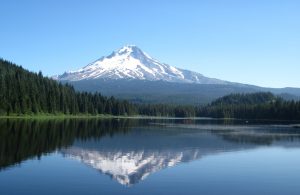
The Oregon Watershed Enhancement Board (OWEB) has initiated a public comment period on proposed revisions to its rules governing several key programs. These revisions are intended to enhance the efficiency and effectiveness of these programs in achieving their goals of protecting and restoring Oregon’s water resources. The specific programs affected by the proposed rule…
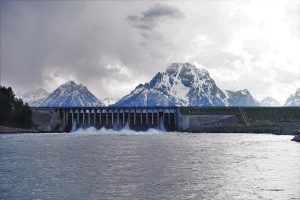
The Lower Snake River, a vital waterway in the Pacific Northwest, is at the center of a significant debate. The potential removal of four dams on the river has sparked discussions about the future of this iconic waterway. To inform this debate, the Washington State Recreation and Conservation Office and the Army Corps of…
The San Francisco Bay Area, a region renowned for its diverse ecosystems, thriving economy, and iconic landmarks, is increasingly vulnerable to the impacts of climate change, particularly sea-level rise. In response to this growing threat, the region has developed a comprehensive Regional Shoreline Adaptation Plan (RSAP) to protect its valuable coastal resources and communities. …

The US Environmental Protection Agency (EPA) has launched a new initiative to address the growing threat posed by per- and polyfluoroalkyl substances (PFAS) and other emerging contaminants in drinking water. This initiative, funded by the Bipartisan Infrastructure Law, aims to provide technical assistance to small and disadvantaged communities. By providing technical assistance, the EPA…

The Department of Homeland Security (DHS) has recently unveiled a framework to guide the responsible development and deployment of artificial intelligence (AI) in critical infrastructure sectors, including water systems. This significant step underscores the growing recognition of AI’s potential to revolutionize water management. By adhering to the principles outlined in the DHS framework, water…
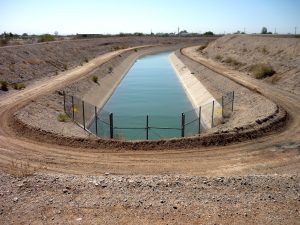
Water markets have the potential to increase the efficiency and resilience of water use in the United States, especially in the Southwest. However, accurate and reliable information on water diversion and use is essential to ensuring their effectiveness. A recent report by Berkely Law, “Information Needs for Water Markets: Fair and Effective Water Markets…

The Environmental Protection Agency (EPA) has initiated a regulatory process to address the growing concern over 6PPD and its toxic byproduct, 6PPD-quinone, which has been linked to significant harm to aquatic ecosystems, particularly salmon populations. To gather essential information, the EPA has issued an Advance Notice of Proposed Rulemaking (ANPRM) under the Toxic Substances…