
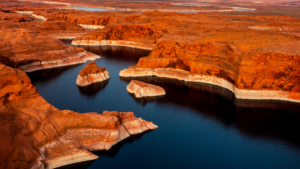
The Colorado River Basin, a vital water resource for millions of people, is facing increasing pressure due to climate change and growing water demands. Corporate funding has emerged as a significant force in supporting restoration efforts within this critical watershed. One notable example is the Colorado River Connectivity Channel project, which was officially completed…
Federal and state agencies in California have signed an agreement to enhance collaboration on landscape-scale floodplain water projects in the Sacramento River Basin. This agreement aims to increase funding opportunities for large-scale projects and improve the efficiency of planning, designing, implementing, monitoring, and sharing information about projects located on floodplains. These projects will enhance flood…
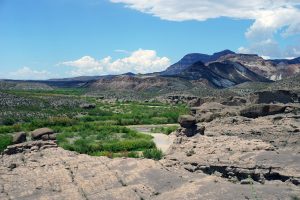
On Nov. 9, the International Boundary and Water Commission (IBWC) signed a new agreement aimed at ensuring more regular water deliveries between Mexico and the United States. Minute 331, titled “Measures to Improve the Reliability and Predictability of Rio Grande Water Deliveries to Benefit the United States and Mexico,” provides Mexico with tools and flexibility…

California is taking a pioneering step in addressing flood risks by launching a community-based flood insurance initiative in the city of Isleton. This innovative approach, funded by the California Department of Water Resources (DWR), aims to provide financial resilience to residents in vulnerable areas. Traditionally, flood insurance has been offered through the National Flood…

The Environmental Protection Agency (EPA) has recently proposed to add 16 individual per- and polyfluoroalkyl substances (PFAS) and 15 PFAS categories representing more than 100 individual PFAS to the Toxics Release Inventory (TRI). The proposal aims to address the concerns surrounding the health and environmental impacts of these persistent contaminants. This update will require…
The US Global Change Research Program (USGCRP) has launched a comprehensive online resource dedicated to sea level rise: SeaLevel.GlobalChange.gov. This website, developed by the US Interagency Task Force on Sea Level Change, offers the public a one-stop shop for information on this critical issue. The new website offers the latest scientific research on sea…

The Lead and Copper Rule Improvements (LCRI), housed under the Safe Drinking Water Act regulatory framework, are now in effect. The final rule mandates that drinking water systems across the country identify and replace lead pipes within a decade. It will also require more rigorous testing of drinking water and a lower threshold requiring communities…

The US Environmental Protection Agency (EPA) has recently announced a grant program offering up to $49 million to support small drinking water and wastewater systems, many of which serve rural communities. This funding will be used to provide technical assistance and training aimed at improving water quality and ensuring compliance with environmental regulations. Numerous…
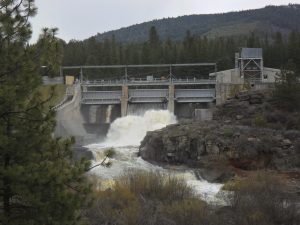
The Klamath River has reached a significant milestone with the complete removal of four lower hydroelectric dams. This achievement marks the culmination of decades of advocacy to restore the river’s health. The dams, which obstructed fish passage and water quality for over a century, have been removed. This opens up over 400 miles of…

The Environmental Protection Agency (EPA) is seeking participation from small businesses, governments, and non-profit organizations in developing a regulation for perchlorate in drinking water. This regulation aims to protect public health by setting a national standard for perchlorate levels in public water supplies. The Safe Drinking Water Act (SDWA) authorizes the EPA to establish…
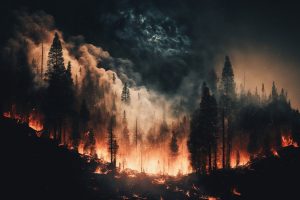
A new study sheds light on how wildfires are impacting water availability in the Western US. The research, conducted by a team from Colorado State University, focused on the aftermath of the 2020 Cameron Peak Fire, the largest wildfire in Colorado’s history. Key Findings: Earlier Snowmelt on South-Facing Slopes: The study revealed that snowmelt occurred…

As the world transitions to renewable energy sources, balancing energy supply and demand becomes increasingly challenging. A new Stanford study explores how water systems, often overlooked in energy discussions, can play a crucial role in enhancing grid stability and creating new revenue streams. The study presents a framework to measure the value of energy…
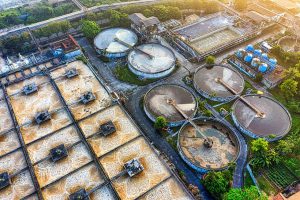
The US Environmental Protection Agency (EPA) has released several new tools to assist small, rural, and tribal communities that rely on lagoon systems for wastewater treatment. These tools aim to empower local decision-makers to navigate the complexities of lagoon management, ensuring public health protection, environmental compliance, and efficient asset management. Lagoon systems represent a significant…
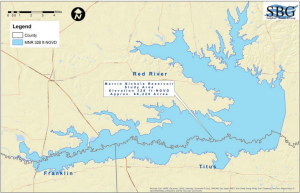
The Texas Water Development Board (TWDB) has completed a feasibility review of the proposed Marvin Nichols Reservoir project. This reservoir would be located on the Sulphur River in Northeast Texas. The review examined the project’s timeline, costs, land acquisition needs, and potential economic impacts. A draft report outlining the findings of this review is…

The US Environmental Protection Agency (EPA) has recently unveiled a valuable tool for citizens and environmental advocates: the Water Quality Indicators (WQI) platform. This web-based screening tool offers a comprehensive and accessible way to explore water quality data from monitoring stations across the United States. By providing detailed information on nutrients, pathogens, and potential pollution…
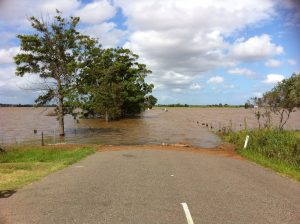
The Texas Water Development Board (TWDB) has taken a significant step towards mitigating flood risk in the state by adopting the first-ever statewide flood plan. This comprehensive plan provides a detailed assessment of flood hazards and offers recommendations for effective flood control strategies. The plan incorporates the findings of 15 regional flood plans, providing…
The Galveston Bay area faces a significant threat: toxic flooding. This occurs when floodwaters carry harmful chemicals from nearby industrial facilities, posing risks to the environment, public health, and infrastructure. A new website provides valuable insights into toxic flooding vulnerabilities in the region. Developed through the collaboration between the Environmental Defense Fund, the Galveston…
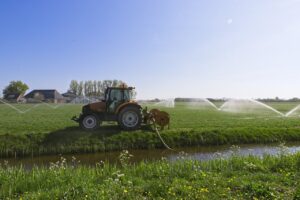
The Nevada Natural Resources Conservation Service (NRCS) is currently accepting applications for the Agricultural Conservation Easement Program (ACEP), a valuable initiative designed to safeguard and restore agricultural lands and wetlands within the state. ACEP offers two distinct programs: Agricultural Land Easements (ALE) and Wetland Reserve Easements (WRE). ALE focuses on preserving cropland and grassland…
The U.S. Environmental Protection Agency (EPA) has announced a new round of funding for water infrastructure projects through its Water Infrastructure Finance and Innovation Act (WIFIA) program. This program offers low-interest loans to communities for investment in drinking water, wastewater, and stormwater systems. The $7.5 billion announced will be used to fund projects across…
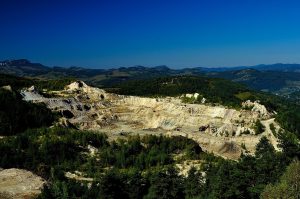
The U.S. Forest Service has issued a draft record of the decision authorizing the resumption of mining operations at the Stibnite Mine in Central Idaho. This decision, if finalized, would mark a significant milestone for the gold, silver, and antimony mining industry in the United States. The proposed project, spearheaded by Perpetua Resources, involves…
Over the past two years, surveys conducted by the Environmental Protection Agency (EPA) have highlighted a pressing need for $1.2 trillion in water infrastructure upgrades over the next two decades. Aging infrastructure and climate change are driving these costs. The Clean Water State Revolving Fund (CWSRF) provides some funding, but it falls short of…
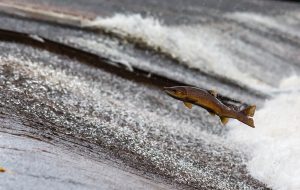
The Confederated Tribes of the Umatilla Indian Reservation (CTUIR) have been awarded $2 million in federal funding to address critical maintenance and modernization needs at their salmon and steelhead hatcheries. The funds, part of a larger $240 million investment from the US government, aim to empower tribal nations by supporting hatcheries vital for fulfilling treaty-reserved…
The battle against “forever chemicals” – per- and polyfluoroalkyl substances (PFAS) – has taken a promising turn with a groundbreaking discovery by researchers at the University of California, Riverside (UCR). These insidious pollutants, notorious for their persistence in the environment and harmful effects on human health, may finally have met their match in the form…

After a five-decade long struggle, the Yavapai-Apache Nation in Arizona has achieved a monumental victory with the approval of its water rights settlement. This landmark agreement, reached through extensive negotiations with local communities, the Salt River Project, state and federal officials, and aided by a recent policy shift by Governor Katie Hobbs, ensures a secure…
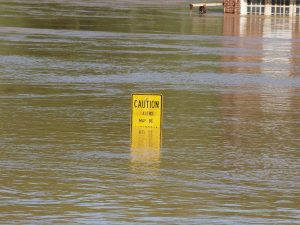
The Department of Homeland Security (DHS) has implemented a new Federal Flood Risk Management Standard (FFRMS). This standard is designed to improve the flood resilience of communities facing growing flood risks due to climate change and other environmental factors. Here are the key takeaways for those involved in infrastructure and construction projects: Future-Proofing Projects: FFRMS…