
Posts by shaina
Important Areas for Bird Conservation at Great Salt Lake
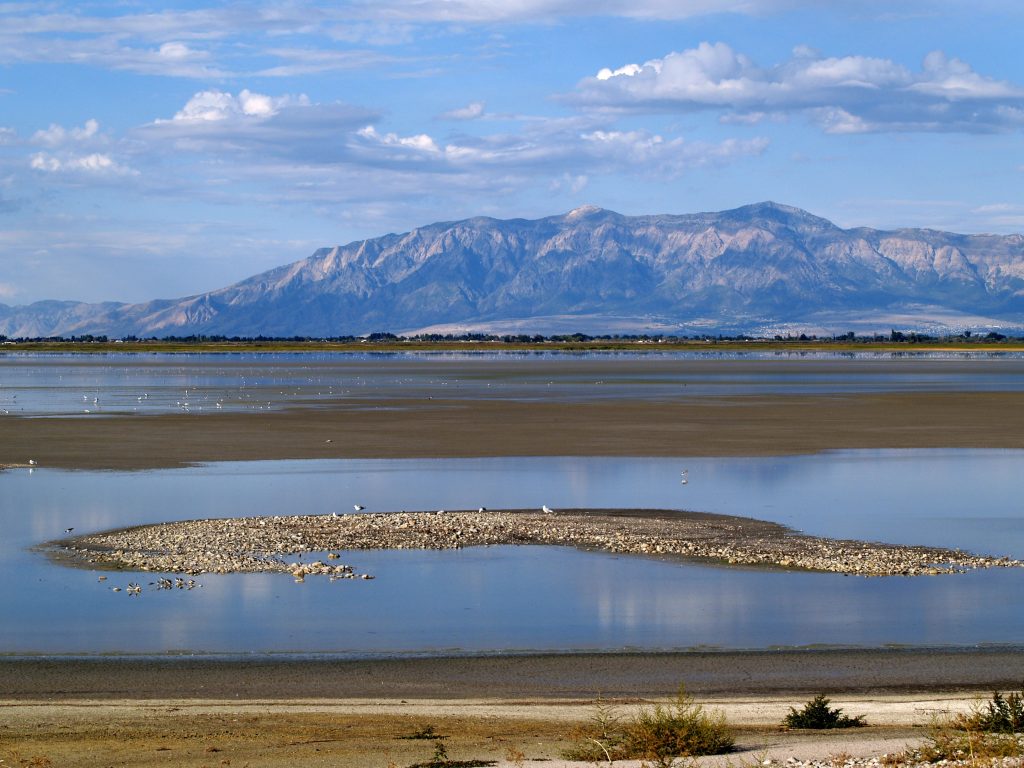
The National Audubon Society has released the Great Salt Lake Birds and Habitat Assessment, a science-based tool that integrates habitat, hydrology, and climate modeling to illustrate the importance of Great Salt Lake and its wetlands for waterbirds. Built by Audubon scientists with input from habitat and water experts, the assessment is designed to identify and…
Read MoreThe Cost of Drought and Extreme Weather
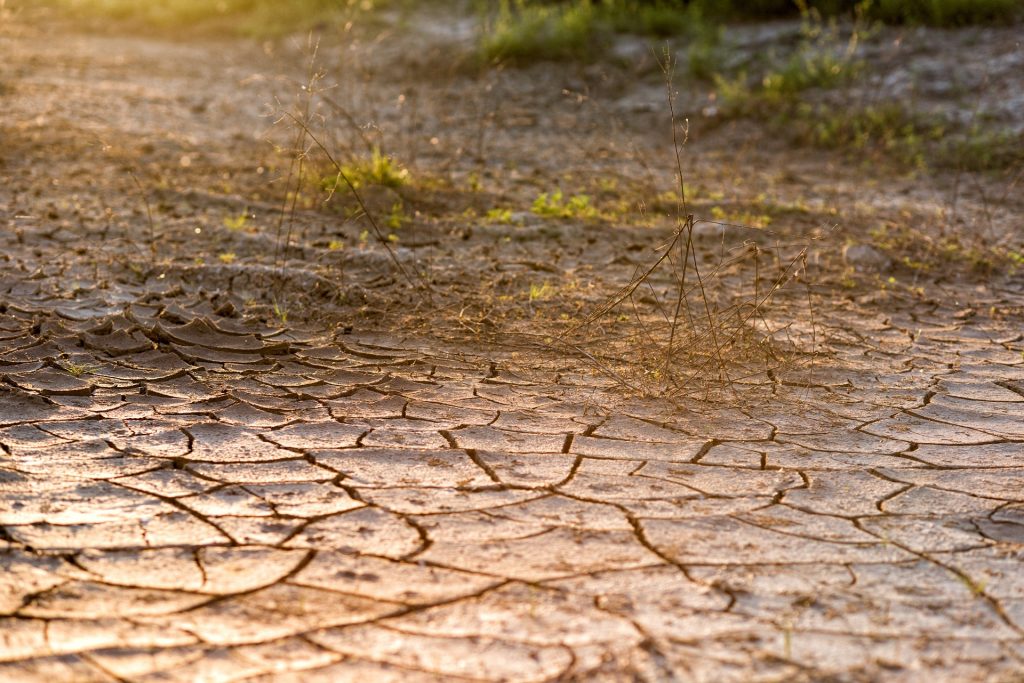
A new report finds that natural disaster impact on US food supply has reached $5.1 billion in annual losses across the country’s 1.9 million farms. Drawing on FEMA National Risk Index data and USDA agricultural census figures dating back to 1996, the analysis identifies drought, cold waves, hail, and hurricanes as the dominant drivers of…
Read MoreConcentrated Storms Result in Drier Land Conditions
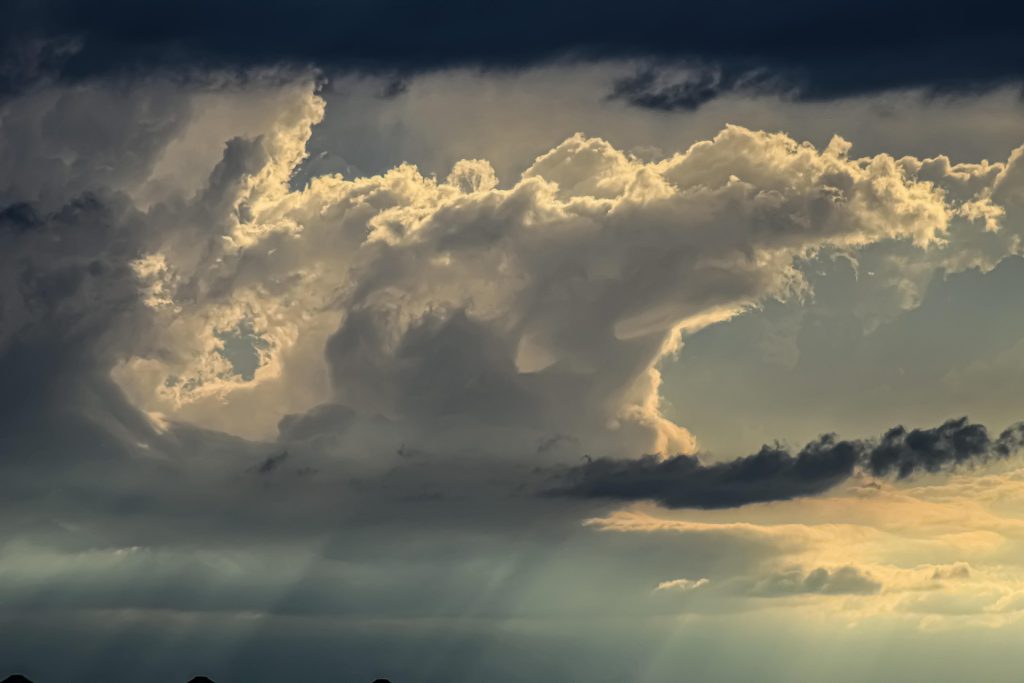
A Dartmouth study published in Nature finds that rainfall consolidation – the packing of annual precipitation into fewer, heavier storms with longer dry spells in between – is reducing effective water availability for land, aquifers, and ecosystems globally. The research analyzed precipitation records from 1980 to 2022 and found the trend consistent across both wet…
Read MoreHow Tribal Water Rights Shape US Agriculture
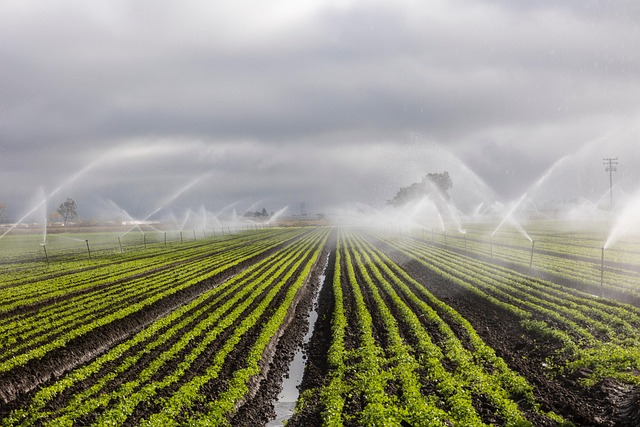
A new report from the Daugherty Water for Food Global Institute and the National Drought Mitigation Center examines how Tribal water rights shape agricultural development across US Reservations, tracing the legal foundation established by the 1908 Winters v. United States decision. That ruling affirmed that Reservations carry an implicit right to sufficient water, with priority…
Read MoreKlamath Dam Removal Study Finds Farmers and Conservationists Align
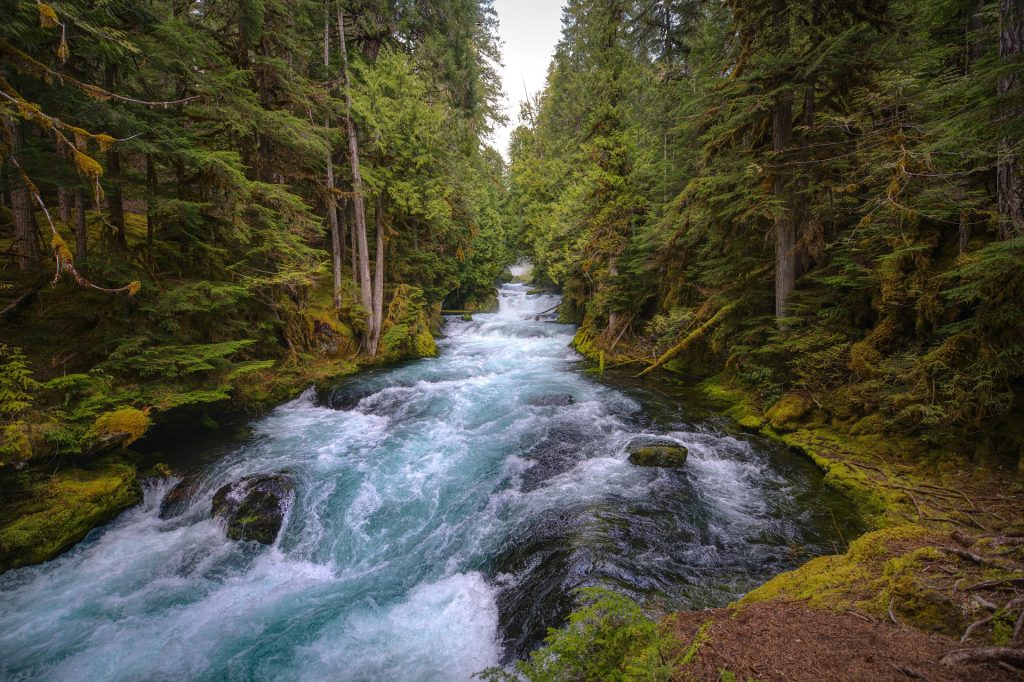
A new study of the largest dam removal project in US history on the Klamath River has found that agricultural producers and conservation groups share more priorities than their long-running conflict suggests. The research, published in Society & Natural Resources, identifies four areas of mutual concern that could guide future river restoration decisions. Conducted…
Read MoreCalifornia Unveils New Vision for San Joaquin Valley Water Management
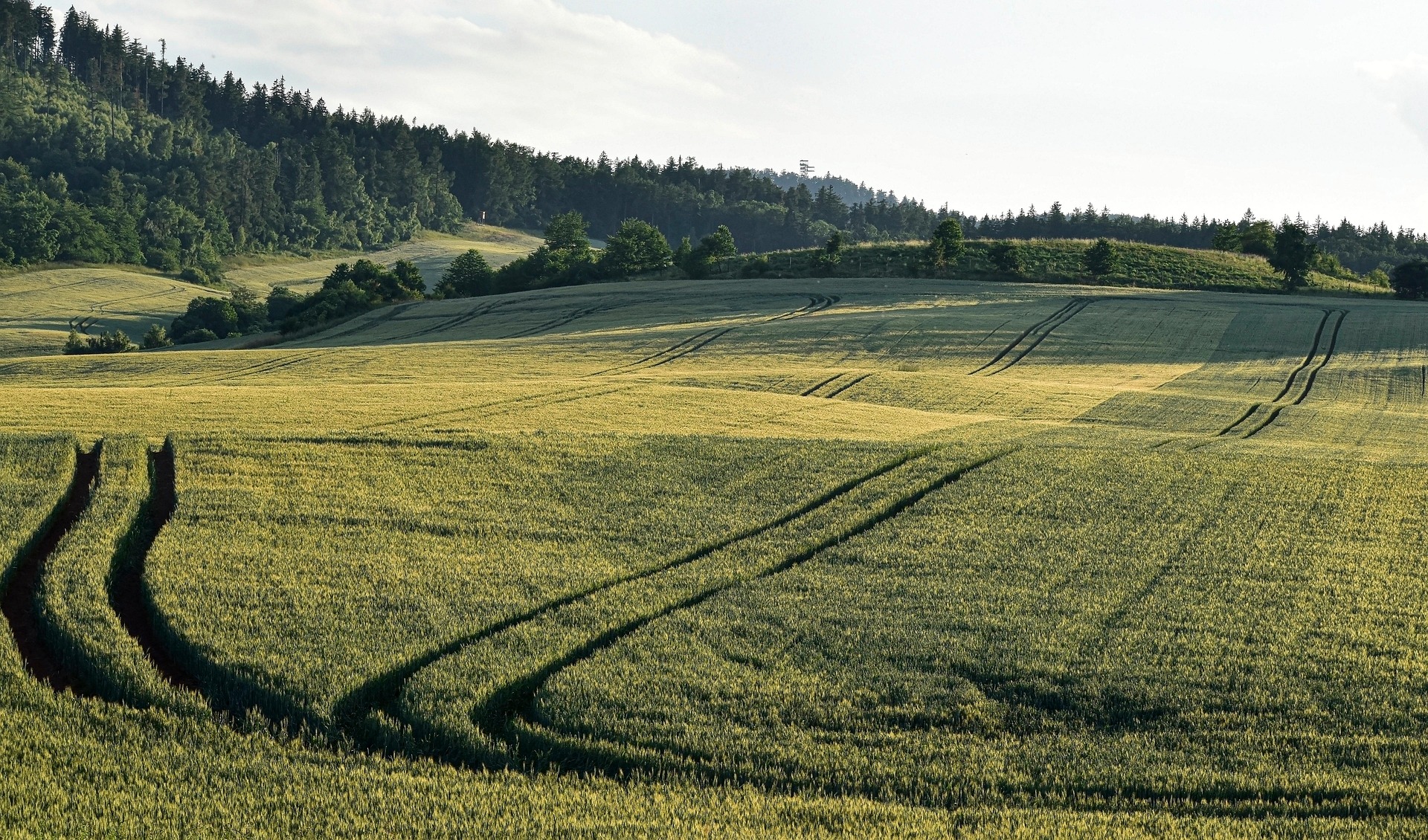
California’s Department of Water Resources has released a new planning document aimed at strengthening San Joaquin Valley water management and climate resilience amid intensifying pressures on communities, agriculture, and ecosystems. The plan builds on three recent DWR studies covering State Water Project adaptation, valley conveyance, and regional watershed conditions. Decades of groundwater overdraft have…
Read MoreBorder Barriers Decrease Wildlife Access to Water Along the Rio Grande
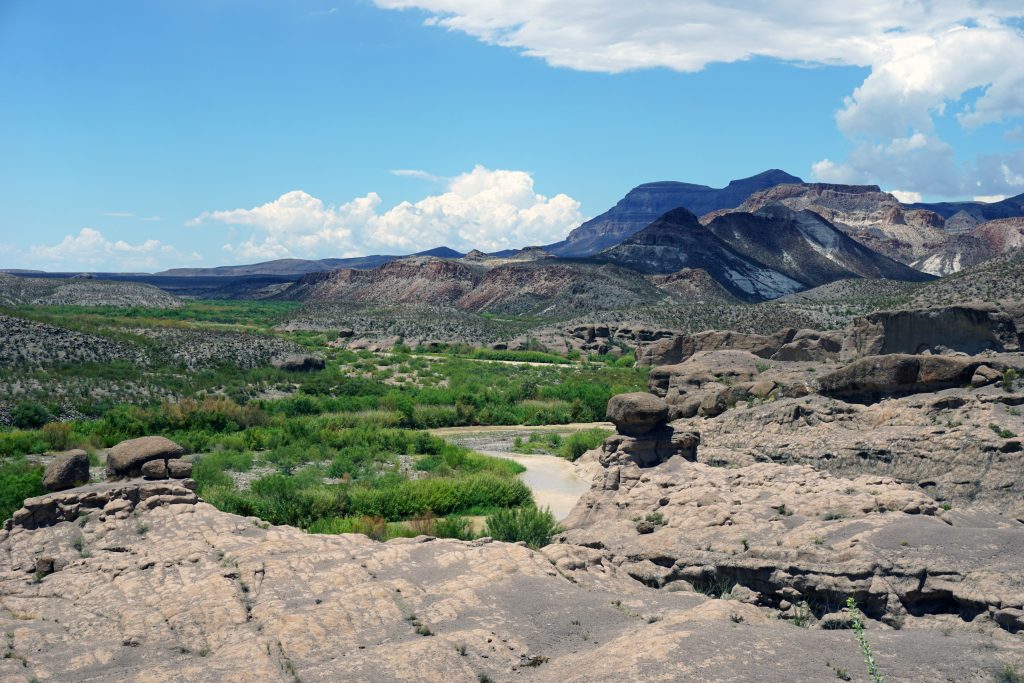
A new study finds that the US-Mexico border barrier system restricts wildlife access to water along a stretch of the Rio Grande in southern Texas. A future continuous barrier could eliminate that access entirely in some areas. Researchers modeled how javelina, coyote, and white-tailed deer move across the landscape under three scenarios: no barrier, the…
Read MoreCalifornia Allocates $46 Million to Address Tijuana River Water Quality

California is directing $46 million of voter-approved Proposition 4 funding toward worsening Tijuana River water quality and New River contamination at the US-Mexico border. The funding was opened for applications by the State Water Resources Control Board in June 2026. Eligible projects include those that reduce bacteria and trash loads, address public health impacts,…
Read MoreCalifornia Reviews Data Center Water Use

A proposed data center in Kern County, California, is drawing scrutiny over data center water use as state regulators weigh how much environmental review is needed for the project. The proposed RB Inyokern Data Center project would draw roughly 40,430 gallons of water per day from a groundwater basin already in overdraft that are under…
Read MoreFlexible Conservation Pools for the Colorado River
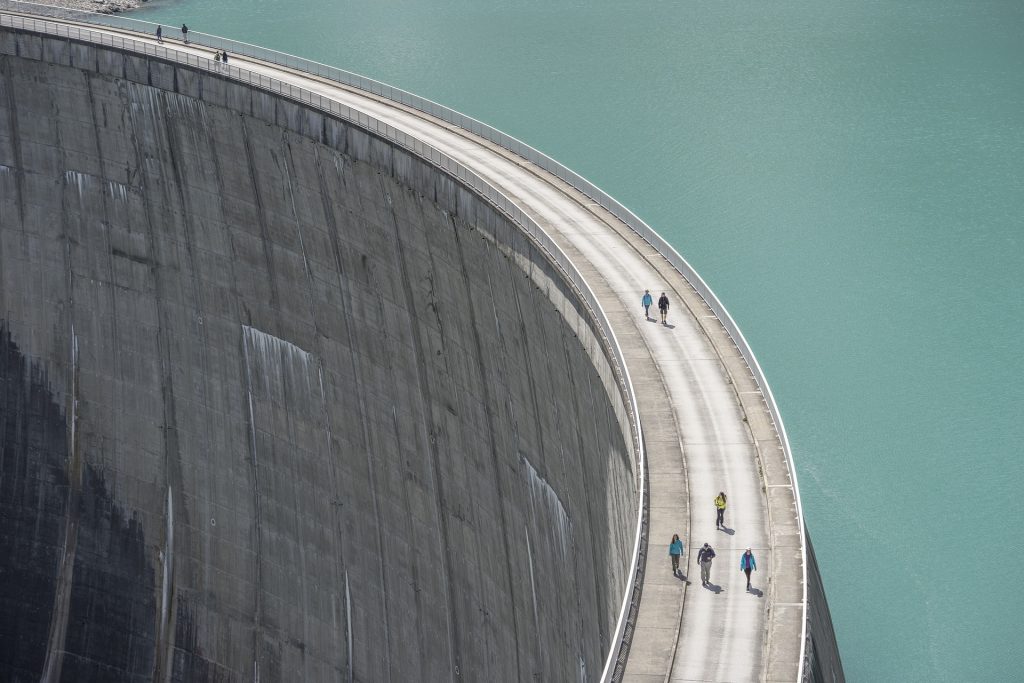
A new paper outlines how flexible conservation pools could help protect the Colorado River’s two largest reservoirs during increasingly severe drought years. Lake Powell and Lake Mead are approaching historically low water levels under current management guidelines. The Bureau of Reclamation’s April 2026 projections showed Lake Powell could fall below 3,500 feet this year,…
Read More