
Archive for March 2026
Regulating Data Center Water Use in California

A new policy report by UC Berkely Law entitled “Regulating Data Center Water Use in California” addresses the environmental impact of the AI-driven data center boom on the state’s water resources. The report identifies a critical lack of transparency and a fragmented regulatory framework, offering a roadmap for how the state and industry should manage this…
Read MoreNew Law Mandates Utah Data Center Water Reporting

The Utah legislature has officially passed a bill requiring water reporting for new data facilities moving into the state. Driven by concerns over resource consumption, the new legislation aims to increase transparency by mandating that operators publicly disclose their annual water usage to state officials. The bill specifically targets new data centers measuring at…
Read MoreCalifornia Multibenefit Land Repurposing Program
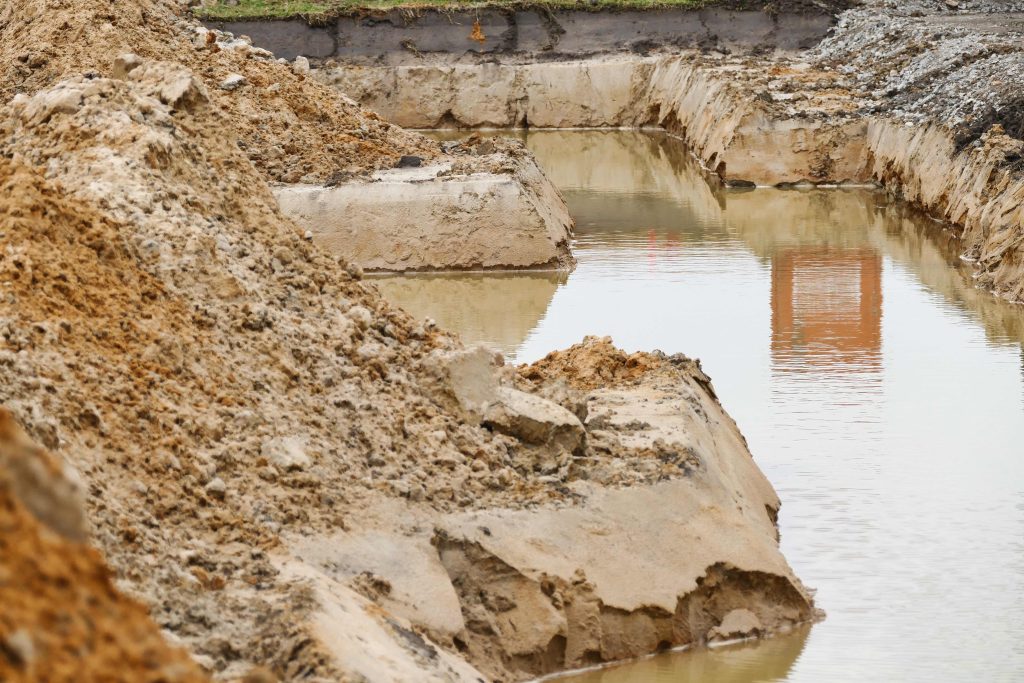
The California Department of Conservation has approved 13 new projects for the Multibenefit Land Repurposing Program which now has more than 4,800 acres of land enrolled. Since launching in 2022, the initiative has allocated nearly $80 million to help transition the least-viable irrigated agricultural lands into alternative uses that conserve groundwater and support local ecosystems.…
Read MoreAI Growth Demands Billions for Water Infrastructure Upgrades
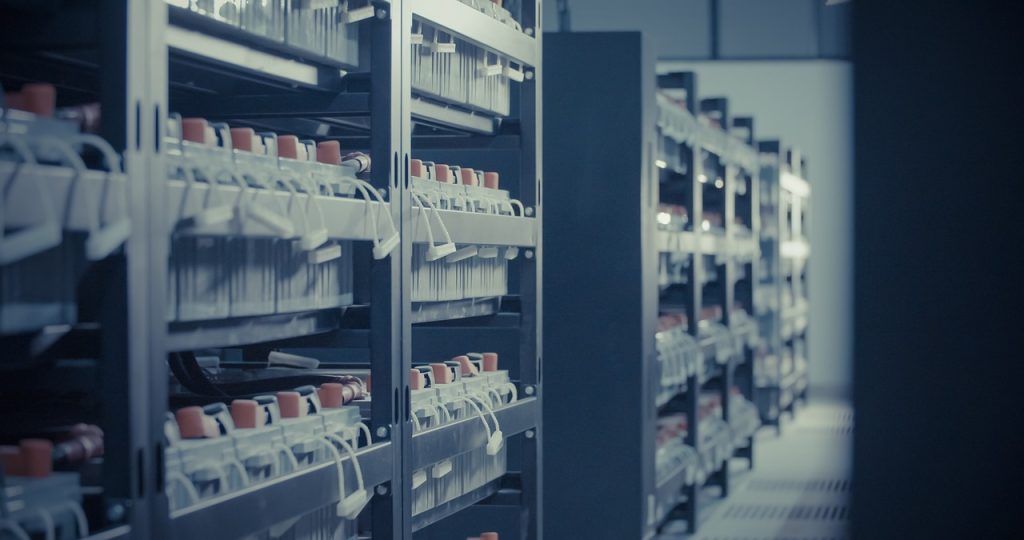
A new study from the University of California Riverside and the California Institute of Technology (Caltech) reveals that the rapid expansion of artificial intelligence is placing unprecedented demand on municipal water supplies. As cloud computing grows, servers require massive amounts of cooling during peak temperatures, creating sudden spikes in demand that local systems cannot currently…
Read MoreNextGen Framework Transforms National Flood Prediction
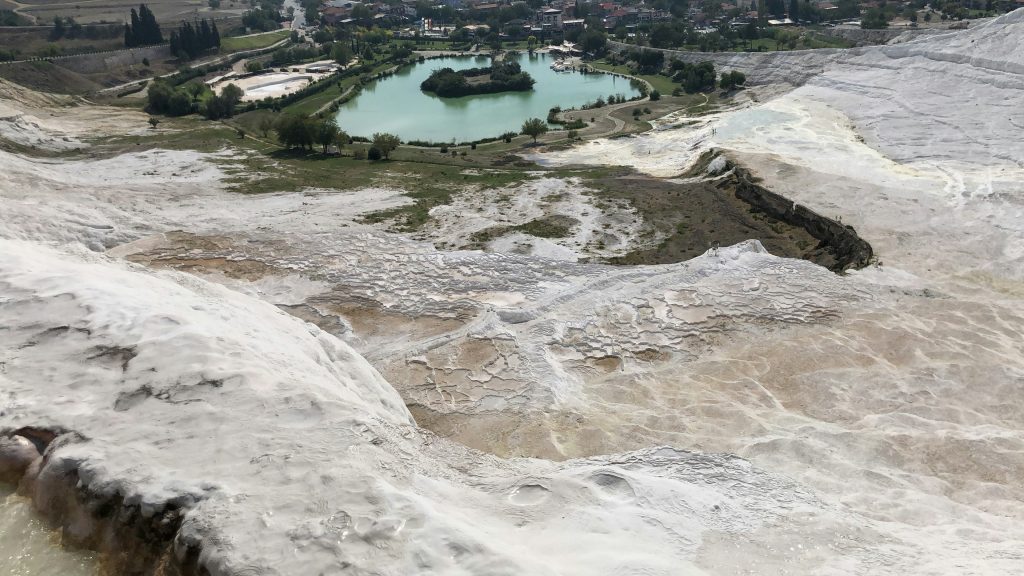
When severe weather strikes, the National Weather Service Office of Water Prediction relies on complex modeling to make critical safety forecasts. Despite improvements, these predictive capabilities have plateaued. To overcome these limitations, a University of Vermont scientist has collaborated with federal agencies to develop the Next Generation Water Resources Modeling framework, with the goal of…
Read MoreNew National Protected Rivers Assessment Tool
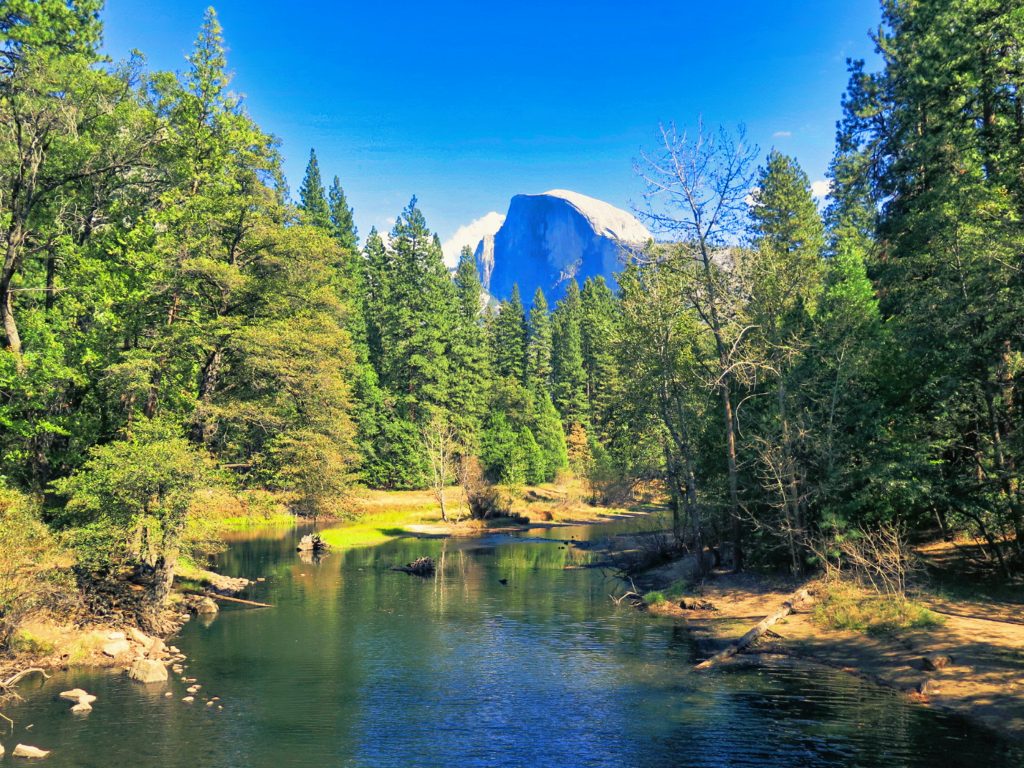
More than 80% of watersheds in the United States currently lack adequate protection, but the new National Protected Rivers Assessment tool can now tell you if your local river or creek is in trouble. Developed by the nonprofit American Rivers and Conservation Science Partners, this online framework evaluates waterways across the entire country to address…
Read MoreFeds Propose Increasing Oregon Logging
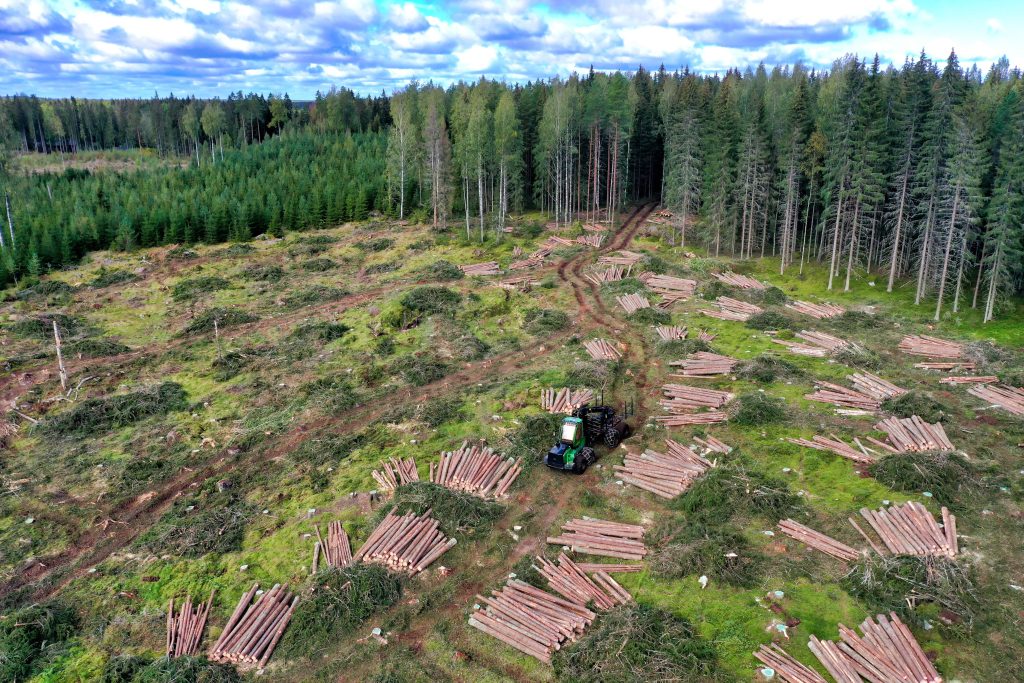
Federal officials are proposing to increase logging in Oregon with the goal of returning timber harvest rates to 1960s levels. The Bureau of Land Management (BLM) recently announced plans to update the Western Oregon Resource Management Plans to reflect this new goal which would impact 2.5 million acres across 17 counties. This proposal could…
Read More35-Year Survey Tracks Idaho Water Perceptions
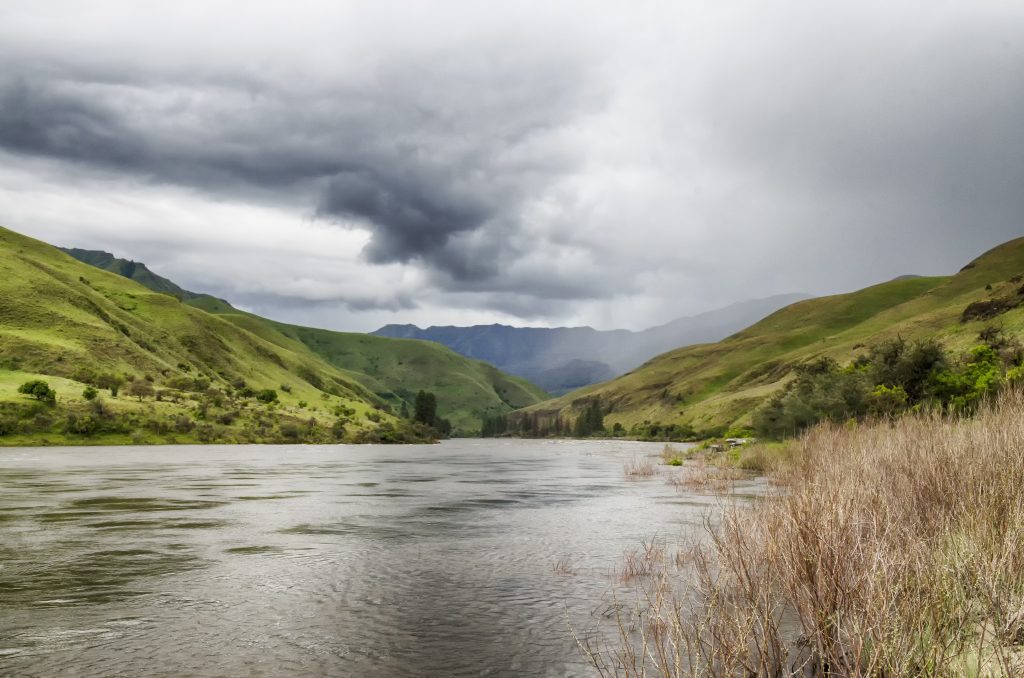
For 35 years, Professor Robert Mahler at the University of Idaho (UI) Department of Soil and Water Systems has meticulously tracked changing public perceptions of water resources in Idaho. His exhaustive dataset represents one of the longest-standing public water surveys in the nation, capturing exactly how residents view their most vital natural asset. …
Read MoreEPA “RealWaterTA” Initiative

The US Environmental Protection Agency (EPA) has introduced a new initiative aimed at strengthening technical support for drinking water and wastewater utilities across the country. Known as RealWaterTA, this program focuses specifically on aiding small and rural systems by refocusing federal support on practical measures that directly improve water quality and protect public health. …
Read MoreCalifornia Seawater Desalination
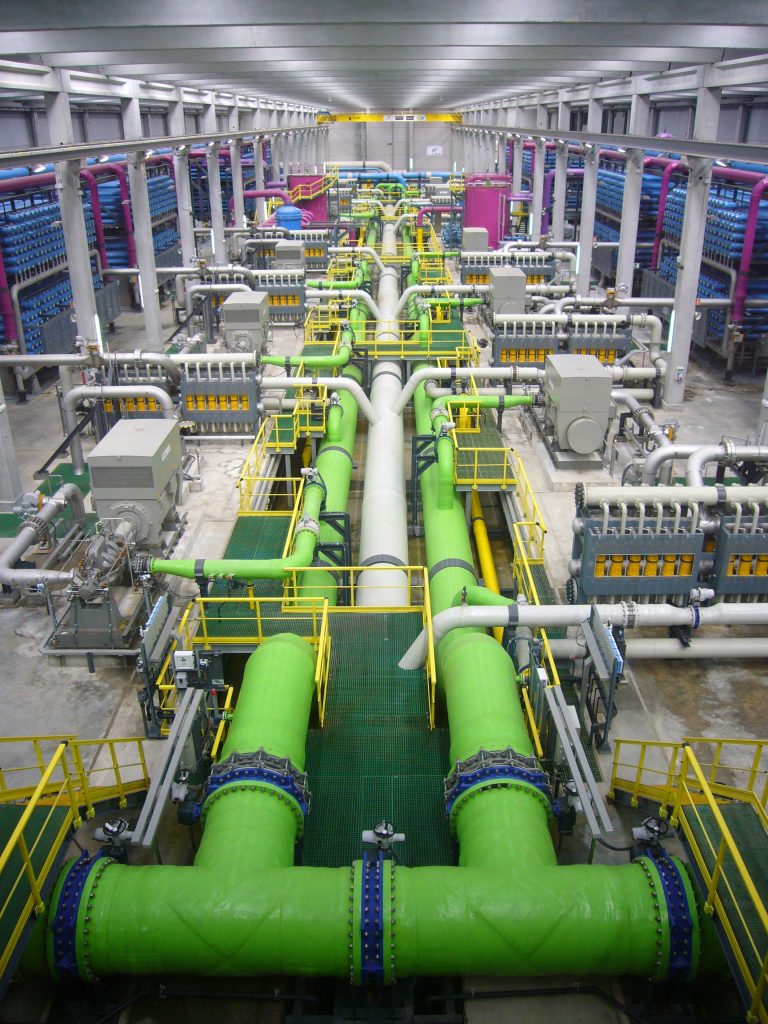
While desalination is a globally proven technology, California projects have faced regulatory roadblocks at the state level. A new report from the California Policy Center and Californians for Energy and Water Abundance outlines how the federal government can bypass these hurdles by developing facilities directly on federal coastal lands under the Coastal Zone Management Act…
Read More