
Posts by shaina
Ag Water Savings as CO River Solution

According to a recent comprehensive study by UC Riverside and the Utah Rivers Council, the most cost-effective way to conserve the dwindling waters of the Colorado River is by changing how farms use water. Agriculture consumes about 80% of water in the Colorado River basin and this research indicates that agricultural water conservation offers the…
Read MoreAI Improves Flood Forecasting

A recent study reveals that when a specialized AI is combined with the National Water Model (a dataset produced by NOAA), the hybrid system becomes four to six times more accurate in forecasting streamflow. The tool significantly boosts AI flood prediction accuracy, offering more reliable forecasts of where floods will occur. The AI is…
Read MoreA Guide for Resilient Rural Communities

The Pacific Institute has a new report offering over 130 strategies to help rural communities build water resilience. Persistent challenges such as aging infrastructure, limited funding, and capacity issues are increasingly common and climate change impacts further intensify these hurdles. This report provides a playbook for rural water resilience, offering tangible solutions to bolster systems…
Read MoreNew Policies Needed for Data Center Water Use

The rising development of data centers – being used to power AI tools and cloud services – are increasing energy and water demands across the Western US. If current trends continue, new data centers in states such as Arizona, Colorado, Nevada, New Mexico and Utah could collectively use billions of gallons of water annually.…
Read MorePlaybook for Utility Workforce Development

A new “Playbook” offers a practical, step-by-step framework for publicly owned water, wastewater, and energy utilities to attract, develop, and retain a new generation of trained workers. Topics covered in the Playbook include recruitment; compliance; environment, health and safety; training and development; and, employee and labor relations. This guide equips HR professionals and leaders…
Read MoreEPA Boosts Water System Cybersecurity

The US Environmental Protection Agency (EPA) recently announced $9 million in grant funding to help protect drinking water systems from cybersecurity threats and natural disasters. Authorized by Congress through the Safe Drinking Water Act (SDWA), this grant program is now open for applications from public water systems serving 10,000 people or more. The EPA has…
Read MorePFAS Contamination Affects US Waterways
PFAS contamination poses a nationwide crisis. A new report confirms these toxic “forever chemicals” now affect 98% of tested US waters. Researchers found elevated levels at 95% of sampled sites downstream from wastewater treatment plants (WWTPs). Similarly, 80% of sites downstream from biosolids land application sites showed increased PFAS levels. The report expanded on previous…
Read MoreA New Era of Aridity in the Southwest
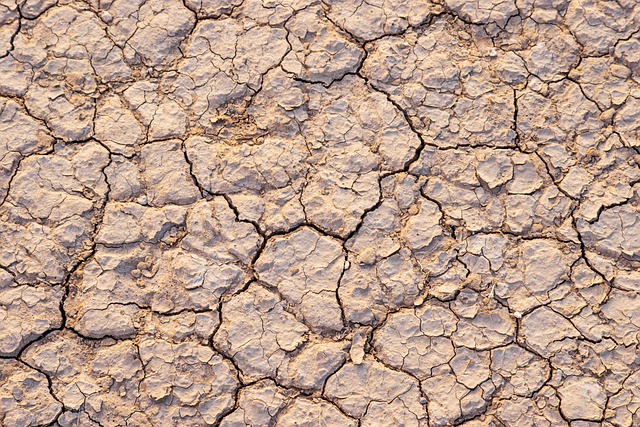
The southwestern United States is having its worst megadrought in 1,200 years. New research suggests that this drought could persist for decades, as ongoing warming disrupts the region’s vital rain cycles. Models suggest continued global temperature rises could keep the Southwest in a dry regime through at least 2100. The Pacific Decadal Oscillation (PDO)…
Read MoreVerde River EIS Begins
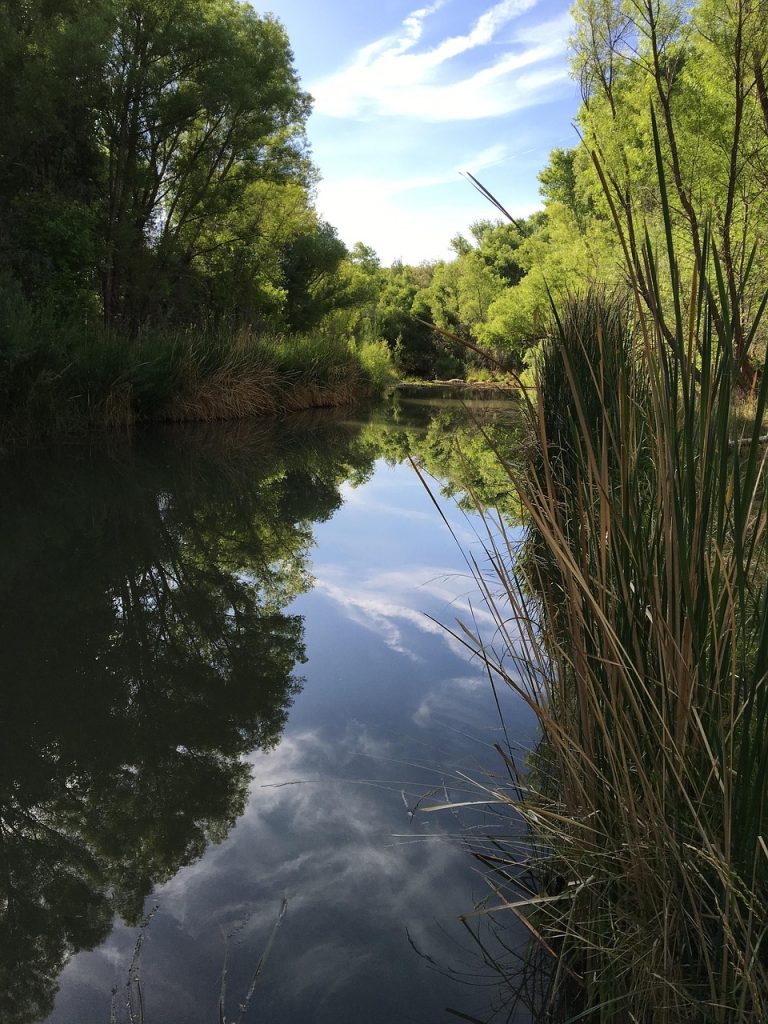
The Bureau of Reclamation (Reclamation) is beginning an environmental impact statement (EIS) for the Verde River Sediment Mitigation Project in northern Arizona. This comprehensive study will examine options for restoring lost storage capacity due to sedimentation. The goals of this EIS include restoring the lost capacity of Horseshoe Reservoir and mitigating future sedimentation throughout…
Read MoreLake Tahoe Report Reveals Long-Term Trends
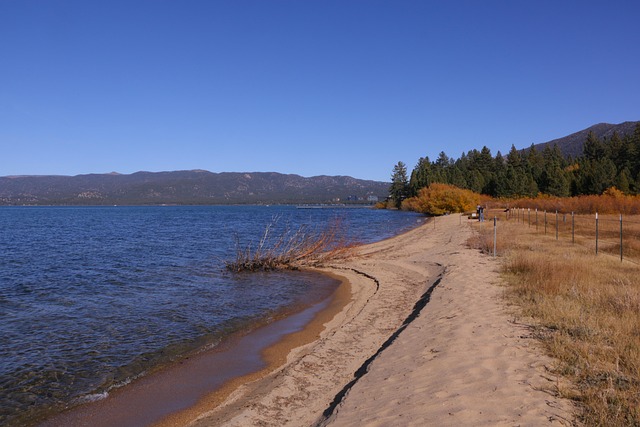
The annual Tahoe: State of the Lake Report (Report)provides updates on the ecological health of the lake, discussing past and ongoing environmental challenges. UC Davis has conducted continuous monitoring of the lake since 1968. This accumulated data provides invaluable insights for this iconic, but vulnerable lake. The latest 2024 Report indicates that Lake Tahoe…
Read More