
Posts by shaina
Fallowed Farmlands Increase Dust Storms

Increasing water scarcity has resulted in more agricultural fields being left unplanted in California. The fallowed farmlands are now the state’s top source of human-caused dust. New research shows they account for 88% of anthropogenic dust events, especially in the Central Valley. Dust storms from these areas threaten public health, road safety, and long-term water…
Read MoreAlgae System Improves Soil & Saves Water

A new algae system could revolutionize farming practices in Arizona, helping farmers achieve better crop yields with significantly less water. This approach – developed through a collaboration between Arizona State University and Phoenix-based soil health company MyLand – offers a vital solution for regions facing water scarcity. The aim is to create “more crop per…
Read MoreSolar Arrays Aid Grasslands During Drought

New research from Colorado State University and Cornell University shows that solar arrays can actively reduce drought stress in Colorado’s grasslands. By casting partial shade, the panels boost moisture levels and drive plant growth, especially in dry years. The study strengthens the case for using solar arrays to stabilize ecosystems while producing renewable energy. …
Read MoreSmart Water Meters

Smart water metering has grown to a $6.8 billion global market, solidifying its position as a key driver of digital transformation for utilities. According to a new report, utilities are embracing advanced metering technologies to boost operational efficiency, recover revenue, and engage more actively with customers. Metering systems – including advanced meter reading (AMR)…
Read MoreNevada Approves Water Rights Buyback Program
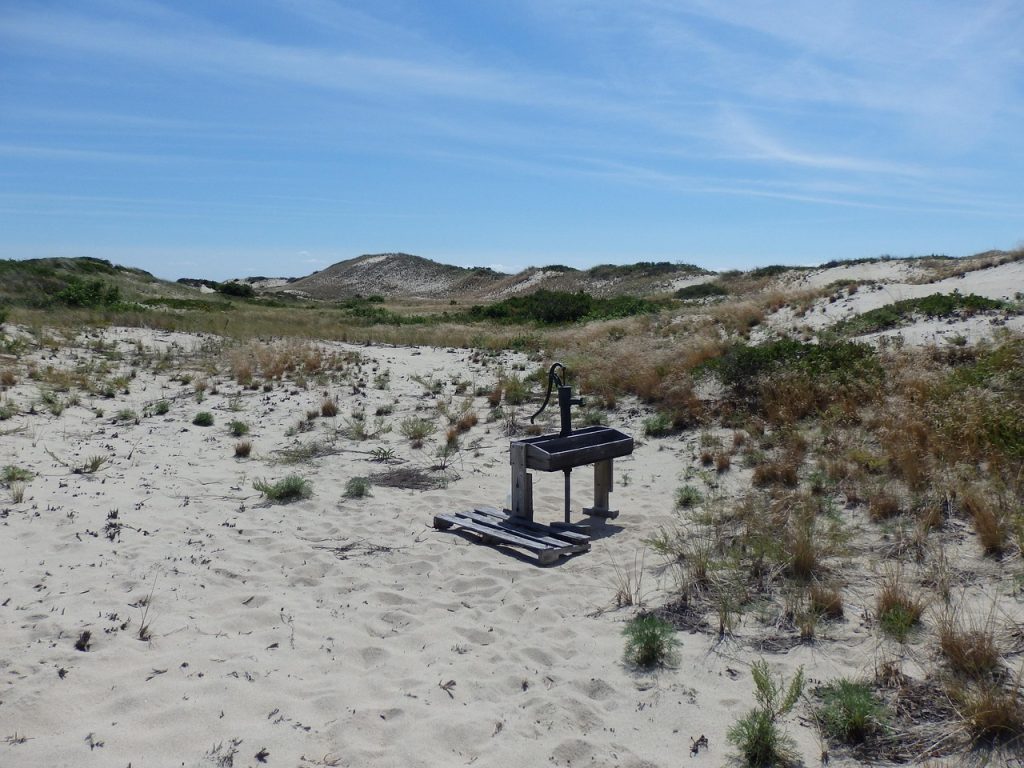
Nevada has launched a voluntary water rights buyback program to address the long-standing issue of groundwater over-pumping. Approved in June, the initiative allows the state to purchase and permanently retire groundwater rights in over-allocated basins. It’s a major step toward restoring balance in areas where groundwater use is exceeding sustainable levels. However, the program still…
Read MoreSafe Drinking Water and Public Health
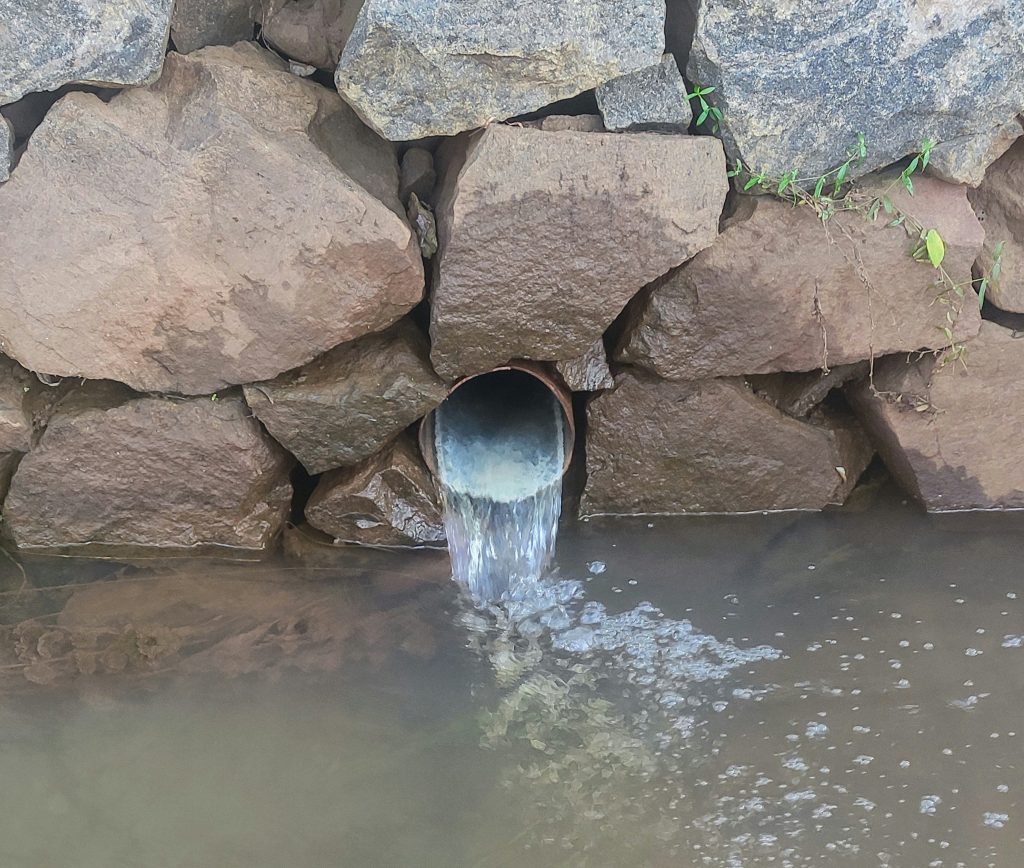
A new report about Safe Drinking Water and Public Health across the globe emphasizes the steps the water sector must take to adapt to a quickly changing climate. It shows how floods, heatwaves, and aging infrastructure are threatening access to safe drinking water. As these risks grow, so does exposure to waterborne pathogens, especially in…
Read MoreWater Sector Faces Funding Challenges

The water sector is presently facing a growing challenge: securing consistent funding for capital improvements. According to the latest State of the Water Industry report by the American Water Works Association, this issue has now overtaken source water protection as the top industry concern. Notably, only 41% of utilities report being able to fully fund…
Read MoreColorado Turf Replacement Limits Water Use

Colorado is investing in turf replacement initiatives to cut outdoor water use. The Colorado Water Conservation Board (CWCB) is championing transformative landscape change to addresses climate and population pressures while seeking broader ecosystem benefits. The Colorado Water Plan directs CWCB to explore various water-saving strategies, including turf replacement. The primary goal is to decrease…
Read MoreA New Defense Strategy for Coastal Flooding

The escalating challenge of coastal flooding in low-lying areas like San Francisco Bay demands new solutions. As sea levels rise and storms intensify, traditional levees face growing challenges. A new study, however, points to promising nature-based ‘horizontal levees’. These hybrid structures, composed of wetland buffers that slope out before conventional levees, can reduce…
Read MoreForest Management Benefits Water Yield

New research shows that active forest management (e.g., thinning and prescribed fire) significantly benefits water yield, especially during drought years. University of Nevada scientists found that thinning forests, often done for wildfire reduction, also increases mountain runoff. Thinned forests can provide an 8% to 14% increase in water yield when most needed. This finding offers…
Read More