
Posts by shaina
Nevada Launches Groundwater Tool
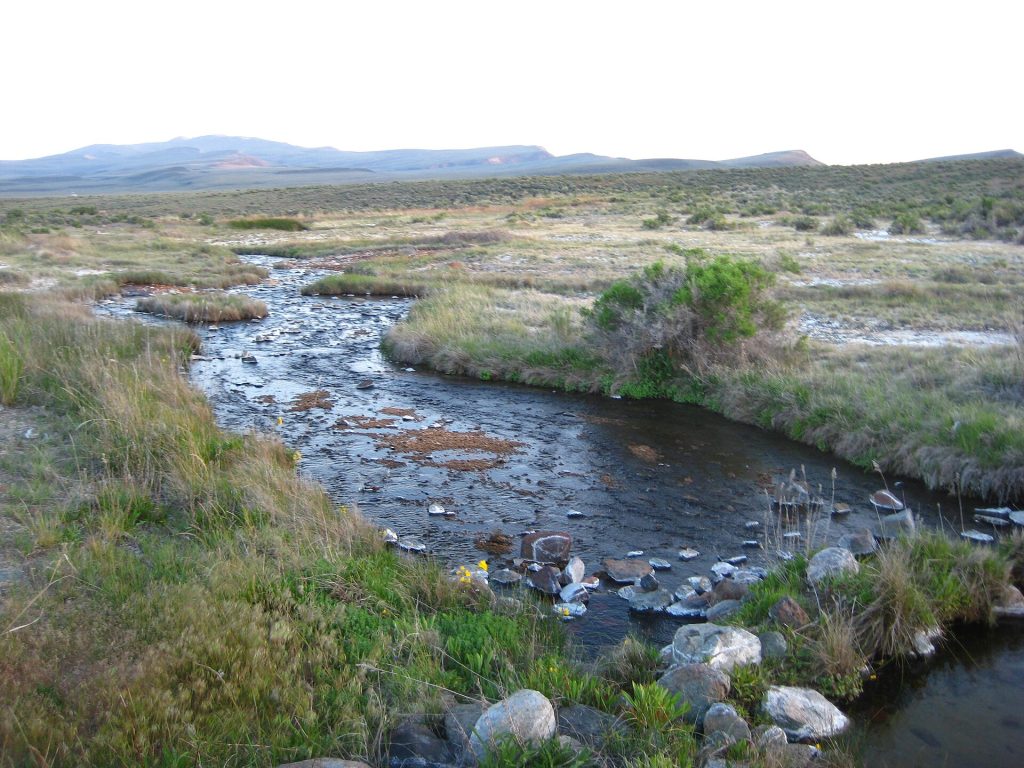
The Nature Conservancy in Nevada, DRI, and the University of Wisconsin–Madison have launched the Nevada GDE Water Needs Explorer Tool. This online resource helps managers quantify the water requirements of Groundwater-Dependent Ecosystems (GDEs) such as meadows, wetlands, and riparian forests. In Nevada’s arid environment, understanding how groundwater levels sustain these habitats is vital for maintaining…
Read More2026 Arizona Water Research Grant Open

The University of Arizona’s Water Resources Research Center (WRRC) is now accepting proposals for the federal WRRA grant program. These water research grant opportunities support university-based projects addressing Arizona’s water challenges. Eligible faculty from Arizona’s three state universities can submit proposals by March 16, 2026 for the WRRA 104(b) program. Selected projects typically receive…
Read MoreClimate Change Increases Risk of Toxic Floods

Sea level rise, driven by climate change, significantly increases flood risk for industrial and contaminated sites across the United States. A new study, published in Nature, reveals thousands of hazardous sites could flood in the coming decades. This threat creates a massive challenge for public health and environmental protection, especially in coastal zones. The…
Read MoreCalifornia Beaches Show Surprising Stability

Two new studies from Scripps Institution of Oceanography researchers offer encouraging news about the resilience of California’s beaches. The 2025 San Diego County Beach Report found most regional beaches gained width last year as they entered a post-El Niño recovery phase. Typically, El Niño years bring larger, more powerful waves that rip sand from…
Read MoreCRIT Grants Personhood Status to Colorado River

The Colorado River Indian Tribes (CRIT) Tribal Council recently made history with a unanimous vote that granted legal river personhood status to the Colorado River. CRIT is the first community to bestow such recognition on the 1,450-mile waterway. This action represents a dramatic departure from Western water law, which historically treats rivers as property to…
Read MoreWater Infrastructure Investment Drives US Economy

The Value of Water (VOW) Campaign released a new research report, “Tapping Potential,” detailing the necessity of closing the nation’s water infrastructure funding gap. This study states that investing in water is essential for promoting economic growth, supporting job development, strengthening communities, and protecting public health. In fact, maximizing water infrastructure investment stands as one…
Read MoreWater Utilities Plan for Data Center Growth

Communities and water utilities are grappling with the increasing need for infrastructure to support digital service demands. The American Water Works Association (AWWA) has released a white paper, titled Cooling the Cloud, which provides guidance for assessing the new challenges and opportunities arising from data centers. Data centers are high-impact customers for water utilities…
Read MoreWater Rights Legal Systems Map
A new map, developed by a collaborative team from the University of Nebraska, depicts the legal water rights systems across the US. This innovative tool shows the variability of surface water and groundwater rights systems, which provide the foundation for water management and policy development. Understanding these boundaries becomes essential when developing and evaluating…
Read MoreSaltwater Contamination Threatens Freshwater

Tidal rivers provide essential water for drinking and irrigation. However, a new international study confirms these vital sources are facing increased vulnerability to saltwater contamination. The research shows that climate-change-induced drought and sea-level rise are intensifying salinity issues. And localized human activities such as channel deepening and excessive road salt use contribute to the problem. …
Read MoreStudy Links Source of Rainfall to Drought Risk

A University of California San Diego study has uncovers a hidden driver of global crop vulnerability: the origin of rainfall itself. The research traces atmospheric moisture back to its source, whether it evaporated from the ocean or from land surfaces. Understanding this balance provides a new tool to predict rainfall source vulnerability before drought strikes.…
Read More